Buyer’s guide

Best HEPA Air Purifier for Home: Top Picks by Room Size & Use

For most homes, buy a unit with a HEPA filter, a smoke CADR at least two-thirds of your room’s area and an ionizer you can avoid. Our best overall pick is the Coway Airmega Mighty2. We quote each brand’s exact filter wording, because EPA says there is no widely accepted definition of HEPA in consumer products.

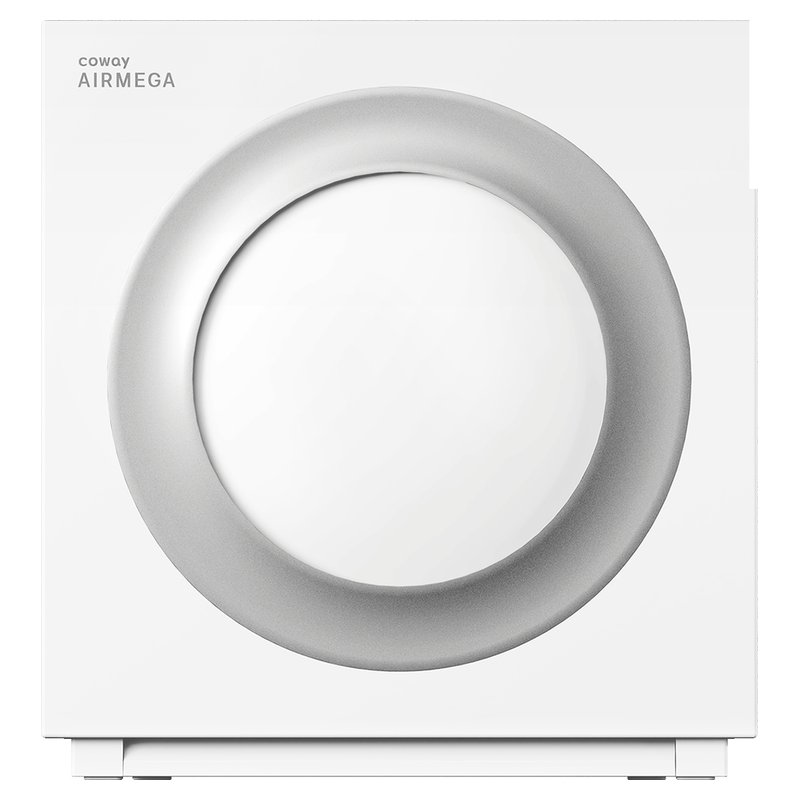
Coway Airmega Mighty2 (AP-1512N) air purifier
Our #1 pick

Coway Airmega Mighty2 (AP-1512N)

Mid-range price range

Room size at 4.8 air changes372 sq ft (smoke CADR × 1.55)
Smoke CADR240
Noise (brand)19–50 dB

See ratings & reviews ↗ · All 7 picks

Top picks at a glance

The best HEPA air purifiers, by what you need

Seven air purifiers that cover most rooms and problems. Each one is chosen for a reason, and each card says who should skip it.

Best overall#1
Coway Airmega Mighty2 (AP-1512N) air purifier

Coway Airmega Mighty2 (AP-1512N)

Mid-range price range

Quiet low speeds, no ionizer listed and a smoke CADR of 240. HouseFresh’s current pick for most people.

See filter details ›
Best with app control#2
Winix 5530 air purifier

Winix 5530

Mid-range price range

RTINGS’ pick for most people, with Wi-Fi and a sensor. Winix calls the filter True HEPA; PlasmaWave can be turned off.

See filter details ›
Best budget#3
Medify MA-25 air purifier

Medify MA-25

Budget price range

A low-priced unit whose brand says True HEPA, for rooms of about 170 sq ft.

See filter details ›
Best for small rooms#4
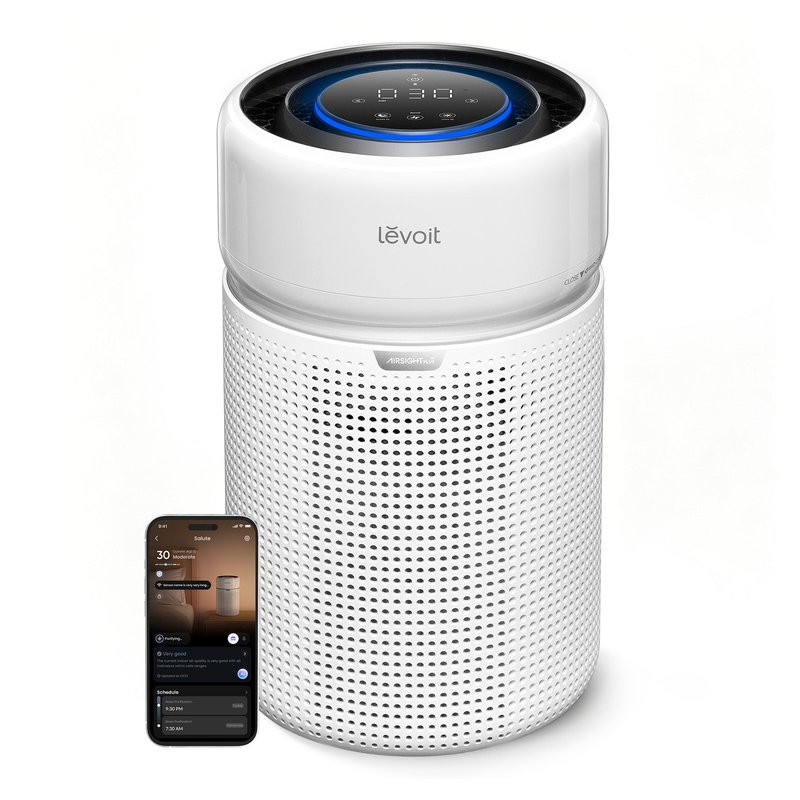
Levoit Eleva 300X air purifier

Levoit Eleva 300X

Budget price range

HouseFresh’s small-space pick, with HEPA wording from Levoit and a separate carbon filter.

See filter details ›
Best for large rooms and smoke#5
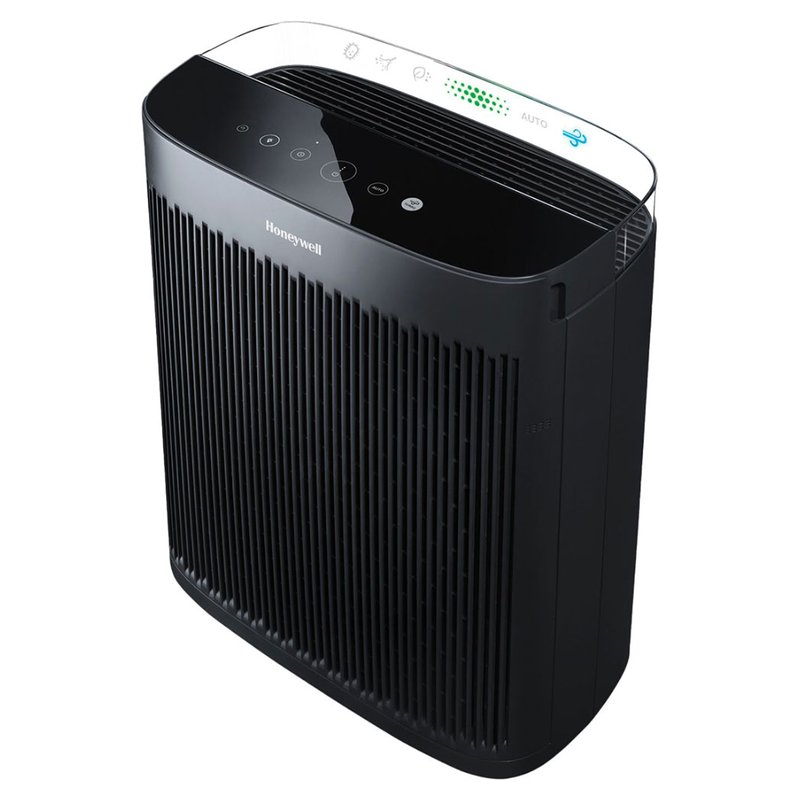
Honeywell HPA5300B air purifier

Honeywell HPA5300B

Premium price range

Honeywell rates it for 4.8 air changes in 500 sq ft at a smoke CADR of 323, with certified True HEPA filters by its wording.

See filter details ›
Best for allergies#6
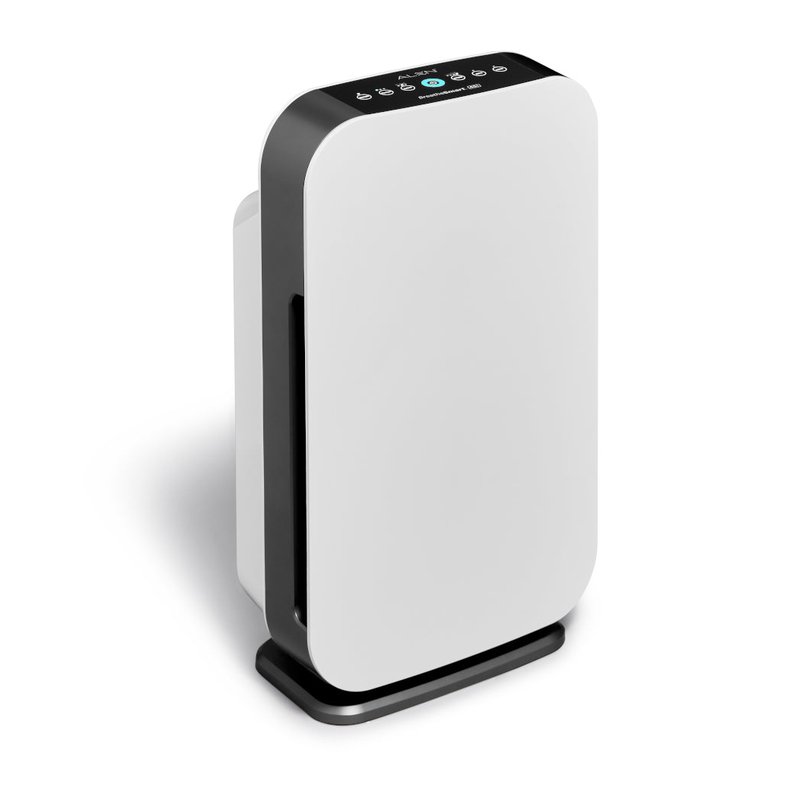
Alen BreatheSmart 45i air purifier

Alen BreatheSmart 45i

Premium price range

AAFA says it earned the asthma & allergy friendly certification. Quiet by Alen’s figures, and Premium in price.

See filter details ›
Best for odors#7
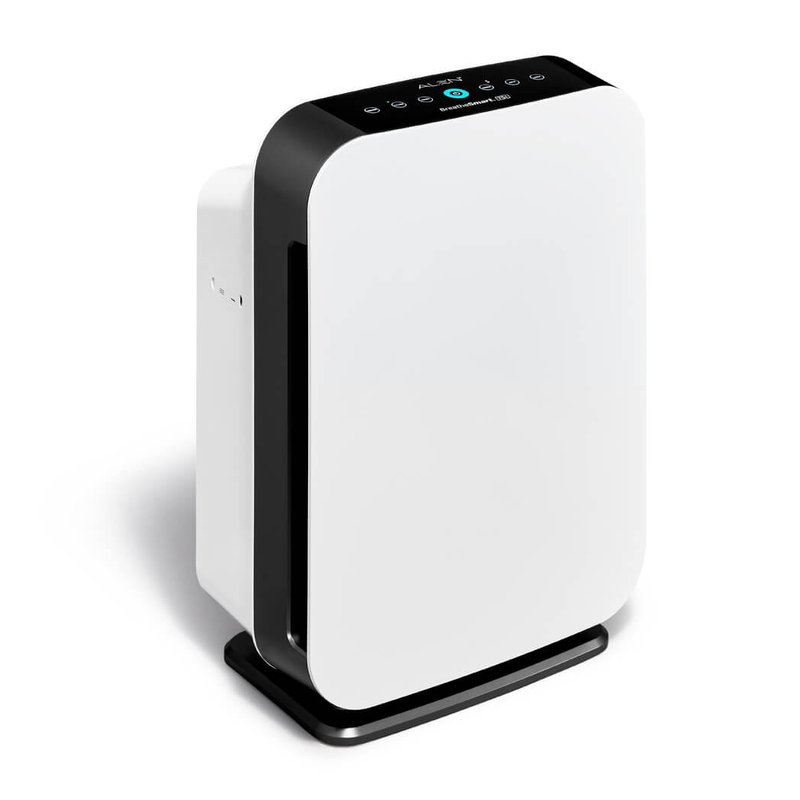
Alen BreatheSmart 75i air purifier

Alen BreatheSmart 75i

Premium price range

True HEPA H13 by Alen’s wording, with a carbon filter option that HouseFresh puts at roughly 3.6 lb.

See filter details ›

Prices change often, so we show a price range instead of a number. Budget is under $150, Mid-range $150–$300, Premium over $300, based on typical list prices.

Find your match

Start from your room and your problem

The right purifier depends on what you are filtering and where. Pick the line that sounds most like you.

Alen BreatheSmart 45i air purifier

I have allergies

Start with

Alen BreatheSmart 45i

Start with a mechanical HEPA filter in the room where you sleep. AAFA says removing the source is the best way to improve your air.

Levoit Vital 200S-P air purifier

I have pets

Start with

Levoit Vital 200S-P

A washable pre-filter takes the hair; HEPA takes the dander in the air. Carbon helps with some, not all, of the smell.

Levoit Eleva 300X air purifier

It’s for my bedroom

Start with

Levoit Eleva 300X

Check the room size first, then the noise. Levoit lists 20 dB on low; HouseFresh measured 35.8 dBA, so read independent figures if you are a light sleeper.

Honeywell HPA5300B air purifier

My room is large or open-plan

Start with

Honeywell HPA5300B

Ignore the biggest number on the box. Compare the room size at 4.8 air changes per hour, or use two units.

Honeywell HPA5300B air purifier

We get wildfire smoke

Start with

Honeywell HPA5300B

Choose a high smoke CADR first, then carbon for some of the gases. AHAM suggests a smoke CADR equal to the room’s square feet.

Medify MA-25 air purifier

I want to spend as little as I can

Start with

Medify MA-25

A small unit is fine in a small room. Price the replacement filters before you decide.

Our picks in detail

What each purifier does well, and who should skip it

Specifications come from each brand unless we name another source. Test results belong to the publication we name. We did not lab-test these air purifiers. How we pick.

Best overall#1

Coway Airmega Mighty2 (AP-1512N)

For a mid-sized room, this is where we would start. Coway lists a smoke CADR of 240, a range of 19 to 50 dB and no ionizer in the filter stack. HouseFresh, which buys and measures its own units, names it best for most people; RTINGS says it cleans about as well as the Winix 5530 but typically costs more.

Why it stands out

  • Coway says the Max2 filter (activated carbon + HEPA) captures over 99.97% of 0.3-micron particles.
  • HouseFresh chose it over the Levoit Vital 200S for better cleaning at top speed and at speeds under 45 dBA.
  • CARB-certified as a mechanical air cleaner, with a laser sensor and an auto mode. Coway rates the filter for up to 12 months; HouseFresh says the carbon fills in 6 to 9 months.
Filter (brand’s wording)Max2: activated carbon + HEPA
Room size at 4.8 air changes372 sq ft (smoke CADR × 1.55)
Smoke CADR240
Noise (brand)19–50 dB
Ionizer or UVNone listed

Good fit if

  • Your room is about 370 sq ft or smaller.
  • You want quiet running and no ionizer.
  • You care about light odors: HouseFresh notes pelleted carbon, not the older Mighty’s carbon fabric.

Skip it if

  • You want an app: it has none.
  • You want a filter labeled HEPA at every speed: HouseFresh describes it as HEPA-grade only in sleep mode.
  • Price per CADR comes first: RTINGS points to units like the Levoit Core 600S at this price.

The 372 sq ft figure is our arithmetic from AHAM’s formula (smoke CADR × 1.55). Coway itself lists 450 sq ft in 15 minutes and 1,800 sq ft at one air change per hour.

Best with app control#2

Winix 5530

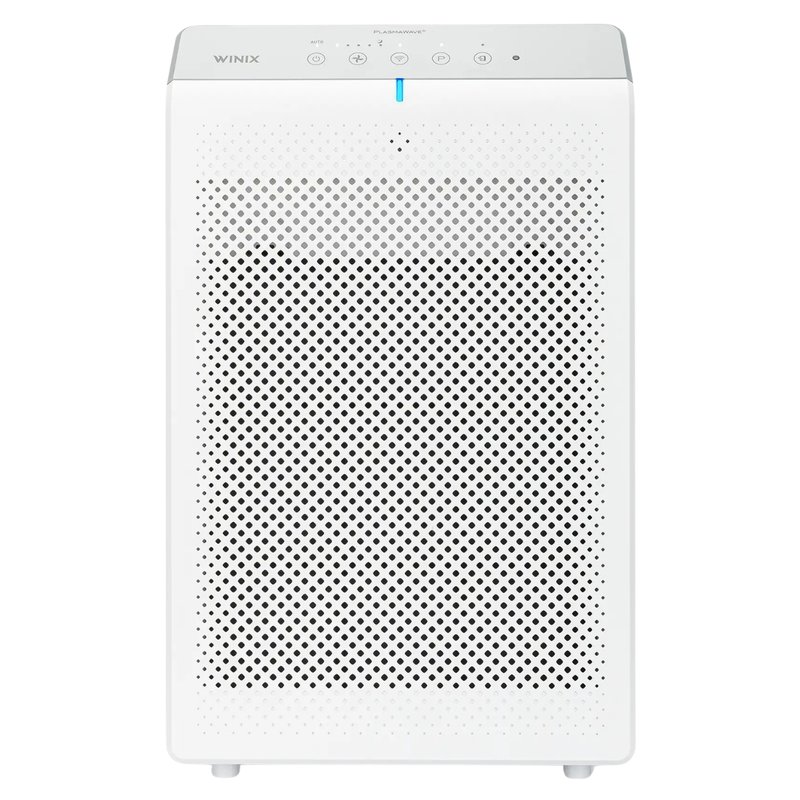
RTINGS, which buys and tests its own units, names this best for most people, praising its filtration, quiet low speed, features and price. Winix’s manual calls the filter True HEPA, while RTINGS says it isn’t HEPA certified. Sylvane lists a smoke CADR of 253 and 392 sq ft at 4.8 air changes.

Why it stands out

  • Wi-Fi, an air quality sensor and Sleep mode, per RTINGS.
  • PlasmaWave can be disabled with a button, per Winix’s manual.
  • One filter set lasts about 12 months, according to Winix, with a pre-filter you clean every 14 days.
Filter (brand’s wording)“True HEPA” + carbon
Room size at 4.8 air changes392 sq ft
Smoke CADR253 (retailer listing)
Noise (brand)Not published
Ionizer or UVPlasmaWave, can be turned off

Good fit if

  • You want one unit that can move between a bedroom, office and living room.
  • You want app control and a sensor at a Mid-range price.

Skip it if

  • You need to clean a very large or open-plan space with one unit.
  • You want a certified HEPA filter.
  • You want no ionizer at all: HouseFresh suggests the Mighty2 cleans better, quieter and with less energy.

Winix has no product page for the 5530 that we could open, so CADR and size come from the retailer Sylvane, and other details from Winix’s manual. We found no published noise figure from Winix.

Best budget#3

Medify MA-25

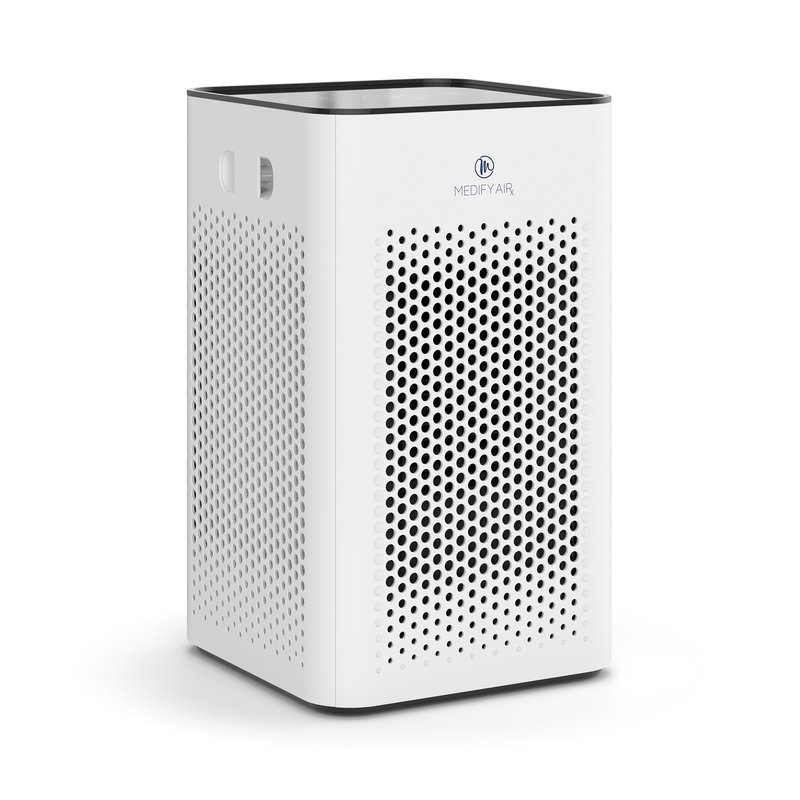
Our budget pick is a low-priced unit whose page says True HEPA. Medify describes it as AHAM Verifide at 172 sq ft for 4.8 air changes. HouseFresh says it “ticks a lot of boxes,” with setbacks. The main cost comes later: Medify rates the filter set at 3 to 4 months.

Why it stands out

  • Medify lists a smoke CADR of 110, and 19.8 to 49.3 dBA.
  • Pre-filter, HEPA and carbon composite in one filter.
  • Child lock, dimmer, timers and a limited lifetime warranty.
Filter (brand’s wording)“True HEPA” + carbon composite
Room size at 4.8 air changes172 sq ft
Smoke CADR110
Noise (brand)19.8–49.3 dB
Ionizer or UVNone stated

Good fit if

  • Your room is about 170 sq ft or smaller.
  • You want True HEPA wording at a Budget-tier price.

Skip it if

  • You want an app or an air quality sensor.
  • You mind changing filters often.

HouseFresh measured 35 to 52 dB in its own test, higher at the low end than Medify’s 19.8 dBA.

Best for small rooms#4

Levoit Eleva 300X

HouseFresh added this as its small-space pick, replacing the Coway Airmega 100. It is also the Levoit whose page uses plain HEPA wording: “System-Level HEPA Filtration,” based on the ASTM F3150-18 test standard. Levoit rates it for 250 sq ft at 4.8 air changes.

Why it stands out

  • Levoit says it captures 99.97% of 0.3-micron airborne particles, with a footnote pointing to ASTM F3150-18.
  • Particle and carbon filters are separate, so you replace each on its own schedule: 18 to 24 months and 4 to 6 months, according to Levoit.
  • ENERGY STAR 3.0 certified and CARB-certified as a mechanical cleaner. Levoit’s page shows an app, auto mode and a laser sensor.
Filter (brand’s wording)“System-Level HEPA” + separate carbon
Room size at 4.8 air changes250 sq ft
Smoke CADR161
Noise (brand)20–50 dB
Ionizer or UVNone listed

Good fit if

  • Your room is about 250 sq ft or smaller.
  • You want HEPA wording from the brand at a Budget-tier price.
  • You want an app and auto mode in a small unit.

Skip it if

  • You don’t want to register filters: HouseFresh says you lose filter-life tracking without it.
  • Low power draw and low noise matter most: HouseFresh found it louder and thirstier than the Core 300S.
Best for large rooms and smoke#5

Honeywell HPA5300B

The large-room HEPA pick. Honeywell rates it for 4.8 air changes in a 500 sq ft room with an AHAM-based smoke CADR of 323, and says its filters are certified True HEPA. It has auto mode with VOC sensing and a color display, but it is heavy at 27 lb and has no app.

Why it stands out

  • Honeywell says the True HEPA R filter helps capture up to 99.97% of 0.3-micron particles; the unit uses three of them, replaced every 12 months.
  • Honeywell says its HEPA purifiers use filtration that does not release ozone.
  • ENERGY STAR label and a five-year limited warranty.
Filter (brand’s wording)“Certified True HEPA” + odor pre-filter
Room size at 4.8 air changes500 sq ft
Smoke CADR323
Noise (brand)No dB published
Ionizer or UVNone stated

Good fit if

  • Your room is up to about 500 sq ft.
  • You want a brand-stated HEPA filter in a large-room unit.
  • You want auto mode without an app.

Skip it if

  • You want an app.
  • You want published decibel figures: Honeywell only says about a whisper on low and a normal conversation on high.
  • You will move it often.
Best for allergies#6

Alen BreatheSmart 45i

Our allergy pick, because of one thing we can point to: AAFA says the BreatheSmart 45i earned the asthma & allergy friendly certification. Alen calls the filter medical-grade HEPA. It is quiet too, at 24 to 50 dB by Alen’s figures, but you pay Premium money for it.

Why it stands out

  • A 2025 AAFA notice says certified purifiers must reduce airborne allergen levels by at least 90% and keep ozone below 0.05 ppm; another AAFA page says almost 98%.
  • TechGearLab lists it as a quieter medical-grade HEPA alternative.
  • Alen says its optional ionizer can be turned off, at 0 PPM when off.
Filter (brand’s wording)“Medical-grade HEPA” (Alen’s words)
Room size at 4.8 air changesNot stated (950 sq ft in 30 minutes)
Smoke CADRNot published (255 CFM, Alen’s single figure)
Noise (brand)24–50 dB
Ionizer or UVOptional ionizer, can be turned off

Good fit if

  • You want a certified model for a medium room: HouseFresh suggests around 300 sq ft.
  • You want quiet running with an app and auto mode.

Skip it if

  • Value comes first.
  • You won’t stay with Alen filters: its lifetime guarantee requires them.

The certification tests the product; we found no evidence that a certified purifier improves symptoms more than an uncertified HEPA unit.

Best for odors#7

Alen BreatheSmart 75i

For smoke and odors in a larger space, the filter matters as much as the fan. Alen sells the 75i with a Fresh filter that HouseFresh says holds roughly 3.6 lb of carbon, and calls the main filter True HEPA H13. HouseFresh recommends it mainly for odor and VOC problems and suggests up to about 500 sq ft.

Why it stands out

  • Alen lists 375 CFM on Turbo and 25 to 51 dBA.
  • HouseFresh measured 36.5 to 57.5 dBA and 5.19 to 47.4 W.
  • Sensors for PM2.5 and TVOC, with auto mode, an app and ENERGY STAR Most Efficient status, according to Alen.
Filter (brand’s wording)“True HEPA (H13)”
Room size at 4.8 air changesNot stated (1,400 sq ft in 30 minutes)
Smoke CADRNot published (375 CFM on Turbo)
Noise (brand)25–51 dBA
Ionizer or UVIonizer, can be turned off

Good fit if

  • Odors, smoke or chemical smells are your main problem.
  • You want a large unit that is quiet at low speeds.

Skip it if

  • You only need particle filtration: HouseFresh says it may be overkill.
  • You are on a budget, or want a compact unit.

The carbon comes with the Fresh or Odor filter options, not the Essential filter. Check which filter comes with the listing you buy.

Side by side

Compare the specs

Scroll sideways on a phone. Filter wording is each brand’s own, and room size is at about 4.8 air changes per hour where a figure exists.

Air PurifierBest forFilter (brand’s wording)Room size at 4.8 air changesSmoke CADRNoise (brand)Price range
Coway Airmega Mighty2 (AP-1512N)Best overallMax2: activated carbon + HEPA372 sq ft (smoke CADR × 1.55)24019–50 dBMid-rangeDetails ›
Winix 5530Best with app control“True HEPA” + carbon392 sq ft253 (retailer listing)Not publishedMid-rangeDetails ›
Medify MA-25Best budget“True HEPA” + carbon composite172 sq ft11019.8–49.3 dBBudgetDetails ›
Levoit Eleva 300XBest for small rooms“System-Level HEPA” + separate carbon250 sq ft16120–50 dBBudgetDetails ›
Honeywell HPA5300BBest for large rooms and smoke“Certified True HEPA” + odor pre-filter500 sq ft323No dB publishedPremiumDetails ›
Alen BreatheSmart 45iBest for allergies“Medical-grade HEPA” (Alen’s words)Not stated (950 sq ft in 30 minutes)Not published (255 CFM, Alen’s single figure)24–50 dBPremiumDetails ›
Alen BreatheSmart 75iBest for odors“True HEPA (H13)”Not stated (1,400 sq ft in 30 minutes)Not published (375 CFM on Turbo)25–51 dBAPremiumDetails ›

Want to see more than our seven picks?

Browse more HEPA air purifiers ›

Not sure where to start?

For a medium room, a smoke CADR around 240 and no ionizer is a safe place to begin. The Coway Airmega Mighty2 has both by Coway’s listing. Room size, filter details and delivery options are on the product page.

How to choose

Five things that matter more than the brand

Most disappointing purifiers are too small for the room, too loud to leave on or expensive to keep filtered.

01

Read the filter wording

EPA says there is no widely accepted definition of HEPA performance in consumer products, so “True HEPA” is a brand’s claim. We quote what each brand says, and we flag it when a tester disagrees.

02

Size by smoke CADR

AHAM’s rule is that smoke CADR should be at least two-thirds of the room’s area. EPA’s chart gives 130 for 200 sq ft and 260 for 400 sq ft. Be wary of coverage numbers based on one air change per hour.

03

Check the low-speed noise

EPA says people often turn units off to avoid the noise, and a purifier that is off cleans nothing. CDC’s table lists a soft whisper at 30 dB. Sources differ on a refrigerator: CDC says 40 dB, EPA about 50.

04

Skip the ozone

EPA says no federal agency has approved ozone generators for occupied spaces. If a unit has an ionizer or UV stage, check whether it can be turned off. CARB-certified models meet a 0.050 ppm ozone limit.

05

Price the filters

Filter life runs from 3 to 4 months (Medify MA-25) to up to five years (Shark HP302), by each brand’s figure, and assumptions about hours differ. Consumer Reports says replacement costs in its large-purifier tests ranged from $20 to more than $200.

FAQ

HEPA air purifiers: questions answered

Straight answers to the questions people ask before buying, drawn from the EPA, CARB, AHAM, allergy organizations, published studies and independent testers. This is general information, not medical advice.

Do HEPA air purifiers work?5

Do HEPA air purifiers actually work?

Yes, at reducing airborne particles. A systematic review found portable purifiers cut PM2.5 by 22.6% to 92.0% compared with control. The same review says evidence for health effects was limited and inconsistent. EPA says they can reduce indoor air pollution but cannot remove all pollutants, so lower particle levels are the realistic goal, and better health is not guaranteed.

Are HEPA air purifiers worth it?

Often yes, if you have a specific particle problem such as pollen, pet dander or wildfire smoke, and a unit sized for the room. EPA says the most effective steps are reducing the source and ventilating, with filtration as a supplement. If your main problem is gases, mold or moisture, a HEPA filter alone will not solve it.

Do I need a HEPA air purifier?

Not everyone does. EPA calls filtration a supplement to source control and ventilation. A purifier makes the most sense if you have allergies triggered by airborne particles, a nearby source of smoke, or pets, and if you will keep it running. EPA says several studies show small improvements in heart and lung health that are not always noticeable.

What can’t a HEPA air purifier do?

It cannot remove gases and some odors, settled dust, or mold growing on a surface. EPA says devices designed only for particles cannot control gases and some odors, and AAAAI says purifiers are not efficient at removing settled allergens. It also cannot make secondhand smoke safe, according to EPA and ASHRAE.

Will a HEPA purifier clean my whole house?

No. EPA says portable air cleaners clean a single room, not an entire house, and a 2011 review says the same of HEPA room cleaners. Put one in the room you use most, and keep the door closed where you can. For whole-home filtration, EPA points to a furnace or HVAC filter of at least MERV 13.

Know the room you need to clean? Our best overall pick suits most medium rooms.See our #1 pick
What HEPA means5

What does HEPA mean?

High efficiency particulate air. EPA says a HEPA filter can theoretically remove at least 99.97% of airborne particles with a size of 0.3 microns, including dust, pollen, mold and bacteria. EPA calls 0.3 microns the worst case, with larger and smaller particles trapped with higher efficiency.

What is the difference between True HEPA and HEPA-type?

Consumer Reports says filters labeled HEPA-type or HEPA-like have not been certified to meet true HEPA requirements, though they may still do adequately in its tests. “True HEPA” itself is a consumer term: CARB says high-efficiency filters are sometimes mistakenly called HEPA or True HEPA, and we found no US regulator policing the phrase.

Are all HEPA air purifiers the same?

No. EPA says there is no widely accepted definition of HEPA performance in consumer products, so home filters are unlikely to equal HEPA systems in health care and industry, though they usually still remove 99% or more of the particles. Fan power, sealing and filter size also differ, and CADR shows the combined result.

Do all air purifiers have HEPA filters?

No. EPA says most filters are designed for either particles or gases, and that other technologies can also reach a high CADR. Blueair, for example, describes its filtration as HEPASilent, and Levoit’s Core 300-P page says only “3-stage.” Check the brand’s exact wording if the label matters to you.

Does HEPA catch particles smaller than 0.3 microns?

Yes, according to EPA, which says particles larger or smaller than the 0.3-micron test size are trapped with even higher efficiency. A NASA memorandum says filter efficiency is significantly enhanced at very small particle diameters. Sources differ on the exact worst-case size: EPA gives 0.3 microns, while the NASA paper also mentions about 120 nanometers.

Want a filter the brand itself calls HEPA, at a Budget price?See the Eleva 300X
Room size and CADR5

What does CADR mean?

Clean Air Delivery Rate, AHAM’s measure of how much filtered air a purifier delivers. It has separate scores for tobacco smoke, dust and pollen, which EPA says stand for small, medium and large particles. EPA says CADR is typically measured at the highest speed, and that the rating covers particles only.

What size air purifier do I need?

Use smoke CADR. AHAM’s 2/3 rule says smoke CADR should be at least two-thirds of the room’s area, so a 120 sq ft room needs at least 80. EPA’s chart gives 130 for 200 sq ft, 195 for 300 sq ft and 260 for 400 sq ft, assuming an 8-foot ceiling.

Why do coverage claims vary so much?

Because they use different air change rates. Levoit lists the Core 300-P at 1,066 sq ft for one air change per hour and 222 sq ft for 4.8. Same machine. AHAM’s suggested size assumes 4.8, CDC says to aim for 5 or more for virus risk, and EPA’s children’s wildfire page says two or three may be effective.

How many air changes per hour do I need?

We use 4.8, AHAM’s basis, because it allows comparison across brands. We found no agency or medical society figure specifically for allergies or asthma. CDC calls 5 or more air changes a rough guide for reducing virus risk, and says it will not guarantee totally safe air.

Is it better to buy one big unit or two small ones?

Two can be better. Harvard says the cleaning benefit of multiple units is additive, and that several smaller units may be more effective than one large unit of the same total CADR, because air is not uniformly mixed. A single large unit is simpler to place and maintain.

Have a big or open-plan room? See what fits at 4.8 air changes.Browse large-room models
Allergies, asthma, pets and mold5

Do HEPA air purifiers help with allergies?

They can reduce airborne allergens, and ACAAI says that may provide some relief. EPA says multiple studies found improvements in one or more symptoms, though not always major ones. In one placebo-controlled trial of dust-mite rhinitis, medication scores improved but symptom scores did not, while a pollen trial found significant symptom differences. Treat a purifier as one part of a plan.

Are HEPA air purifiers good for asthma?

Results are mixed, so talk to your doctor. In the AIRWEIGHS trial of 164 children, HEPA cleaners cut PM2.5 by 64.4% more than placebo, but there was no observable benefit in asthma outcomes. A trial of 100 adults with moderate-to-severe asthma did report better control test scores. Keep following your asthma action plan.

Do HEPA purifiers help with cat and dog allergies?

They reduce airborne allergen, but home trials have not shown fewer symptoms. In a trial of 35 cat-allergic people living with cats, a bedroom HEPA cleaner lowered airborne allergen, with no difference from placebo in symptoms. Mayo Clinic says avoiding the animal as much as possible is the first line of control.

Do they help with dust and dust mites?

They catch dust that is in the air, but mites live in bedding. A 44-home study did not detect mite allergen in the air during normal activity, only during disturbance. Mayo Clinic’s steps are allergen-proof covers, weekly hot washes and humidity below 50%. AAFA says encasing mattresses works better than air cleaners for allergy symptoms, though a Cochrane review says covers alone are unlikely to be effective for dust-mite rhinitis.

Do HEPA air purifiers remove mold?

They can catch airborne spores, but they do not fix mold. EPA says portable air cleaners do not address the cause of mold and musty odors, and that the solution is to remove the moisture source and clean up the mold. EPA advises keeping humidity below 60 percent, ideally 30 to 50 percent.

Curious how allergy sufferers rate our certified pick?What owners say
Smoke, odors and germs5

Do HEPA air purifiers help with wildfire smoke?

Yes, for the particles. EPA says portable air cleaners can remove smoke particles, and that fine particles are the biggest health threat from smoke. A 2025 review of 33 studies found portable HEPA cleaners reduced PM2.5 by 54% to 92%. Those are exposure results. Set up one clean room with windows and doors closed.

Can a purifier remove cigarette smoke?

It can reduce some of it, but not make it safe. EPA says ventilation, filtration and air cleaning will not eliminate secondhand exposure, and that the only way to do that is to prohibit smoking and vaping indoors. ASHRAE says air cleaning cannot adequately control the health effects, and CDC says no level of exposure is safe.

Do HEPA purifiers remove odors?

Not by themselves. Consumer Reports says mechanical filters, including HEPA, do not help with gases or odors. Activated carbon can, and EPA says it works best in large amounts. EPA also says it is not especially effective against formaldehyde or ammonia. HouseFresh advises at least two pounds of carbon, which is its advice, not a standard.

Do HEPA air purifiers remove viruses?

They can reduce airborne particles that carry viruses, but they do not make a room safe. EPA says air cleaners can help reduce airborne contaminants including viruses, but that air cleaning alone is not enough to protect people from COVID-19. We found no home trial showing that a HEPA purifier lowers infection rates.

Do I need a purifier for cooking smells?

A vented range hood comes first. CARB says only ducted hoods that exhaust to the outdoors should be used, and EPA lists local exhaust while cooking as a way to reduce pollutants. A purifier with carbon may help afterward. HouseFresh suggests the Medify MA-40 for clearing cooking odors in open-plan spaces.

Smoke is the main worry? Look for high smoke CADR plus a carbon filter.Browse smoke models
Safety, ozone and noise5

Are HEPA air purifiers safe?

A mechanical HEPA filter is not on EPA’s list of types that may emit ozone. The concerns are add-ons. EPA says ionizers, UV lights without adequate lamp coatings and plasma may in some cases emit ozone, and that ozone can worsen asthma. Choose a unit with no ionizer, or one you can turn off, and avoid ozone generators.

Do air purifiers produce ozone?

Ozone generators do, on purpose, and EPA says no federal agency has approved them for occupied spaces. Some electronic cleaners produce small amounts. CARB-certified electronic cleaners must stay under 0.050 ppm, but CARB says certification does not reflect how well a unit cleans. EPA says CARB and AHAM keep lists of low-ozone models.

Should I leave the ionizer on?

We would turn it off. ACAAI says there is no scientific data that purifiers with, for example, ionizers using UV light work for allergies, and AAFA says to avoid any purifier that produces ozone. Consumer Reports does not recommend ionizers. HouseFresh accepts them if they switch off and stay below 50 ppb, and in three Winix models it found PlasmaWave added about 5% to cleaning on average.

Does UV-C make a HEPA purifier better?

We found no good reason to pay for it. EPA says typical home UV cleaners do not deliver enough dose to kill most airborne microorganisms, that UV does not capture particles, and that it should supplement filtration. HouseFresh says UV-C made no difference in its test of the GermGuardian AC4825E.

How loud is too loud?

That is personal, but noise is often why purifiers end up switched off, according to EPA. CDC’s table lists a soft whisper at 30 dB, a refrigerator hum at 40 dB and normal conversation at 60 dB, while EPA puts a modern refrigerator at about 50 dB. We found no agency limit for sleep. Compare low-speed figures, and treat brand numbers with some care.

Want no ionizer at all? See buyer feedback on our top pick.Read owner reviews
Running costs and care5

Should I run my HEPA air purifier all the time?

Yes, if you can. Consumer Reports says purifiers should run at all hours to be effective, and suggests high speed when you are out of the room and low when you are nearby. EPA says the longer it runs and the higher the fan speed, the more air it filters.

Do HEPA air purifiers use a lot of electricity?

It depends on the model. ENERGY STAR says a standard unit running continuously uses about 394 kWh a year, though EPA’s table from older literature gives 858 to 1,980 kWh for HEPA units, and that certified units save about 211 kWh a year, or roughly $18 to $40. Use DOE’s formula: watts times hours a day, divided by 1,000, times days, times your rate.

How often should I replace a HEPA filter?

Follow your model’s schedule. Consumer Reports says to replace pleated filters every 6 to 12 months, while brands range from 3 to 4 months (Medify MA-25) to up to five years (Shark HP302), and assumptions about hours differ. EPA says overloaded filters lose effectiveness through reduced airflow and bypass around the filter. Carbon usually needs changing sooner.

Can I wash a HEPA filter?

Generally no, unless the maker says you can. Winix’s 5500-2 manual says its True HEPA filter can not be washed. Smart Air, a purifier brand, reports that washing three dirty HEPA filters raised airflow but sharply lowered capture of 0.3-micron particles. Washable pre-filters are a different matter, and Consumer Reports says they can extend main filter life.

Are HEPA air purifiers HSA or FSA eligible?

It depends on your plan and may need a letter, so do not count on it. IRS Publication 502 has no entry for air purifiers. Retailers HSA Store and FSA Store say a Letter of Medical Necessity is required, and FSA Store says general-health use does not qualify. Ask your plan administrator before you buy.

Watching running costs? Compare models with long-life filters.Browse filter options

How we pick

How this guide is put together

  • We compare each brand’s published specifications: filter wording, room size at 4.8 air changes, smoke CADR, noise and filter life.
  • We read guidance from the EPA, CARB, CDC, AHAM, AAFA, ACAAI and Mayo Clinic, plus published trials and reviews.
  • We read independent testers such as RTINGS, HouseFresh and Consumer Reports, and we say when they disagree with a brand.
  • We do not lab-test, accept free products or take payment for placement.

What a HEPA purifier can and cannot do

A HEPA filter can reduce airborne particles such as pollen, dust and pet dander in one room. It does not remove gases or settled allergens, fix mold, or treat any condition. If you have symptoms that are severe or getting worse, see your doctor.

Read how we pick →

Your room, your problem, your noise limit: pick for all three

Measure the floor, decide what you most want to filter, and check the low-speed noise. If you are unsure, start with our best overall pick and read what owners say.