What is the best cheap HEPA air purifier?
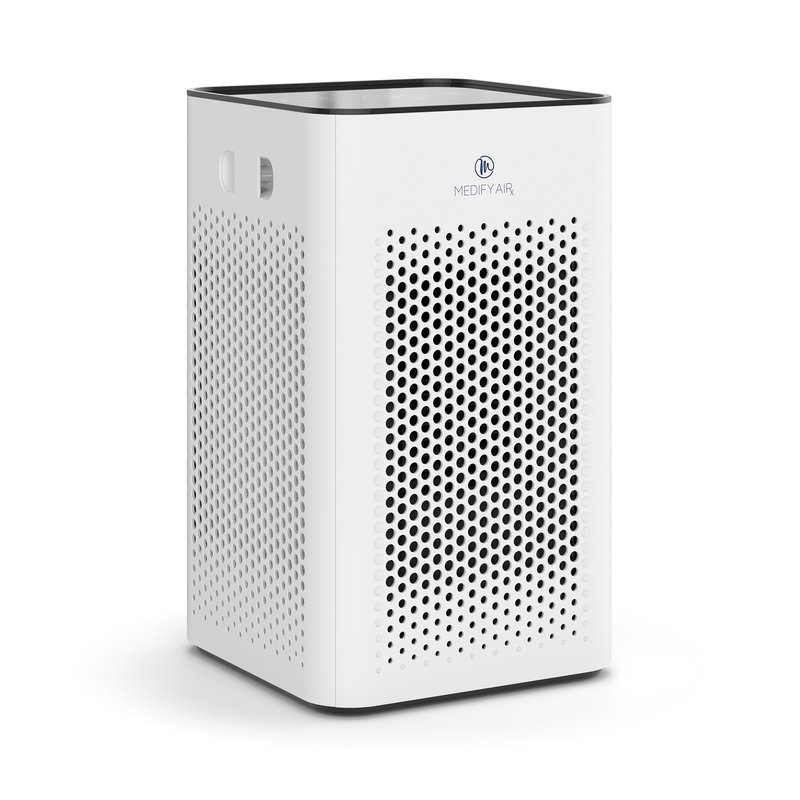
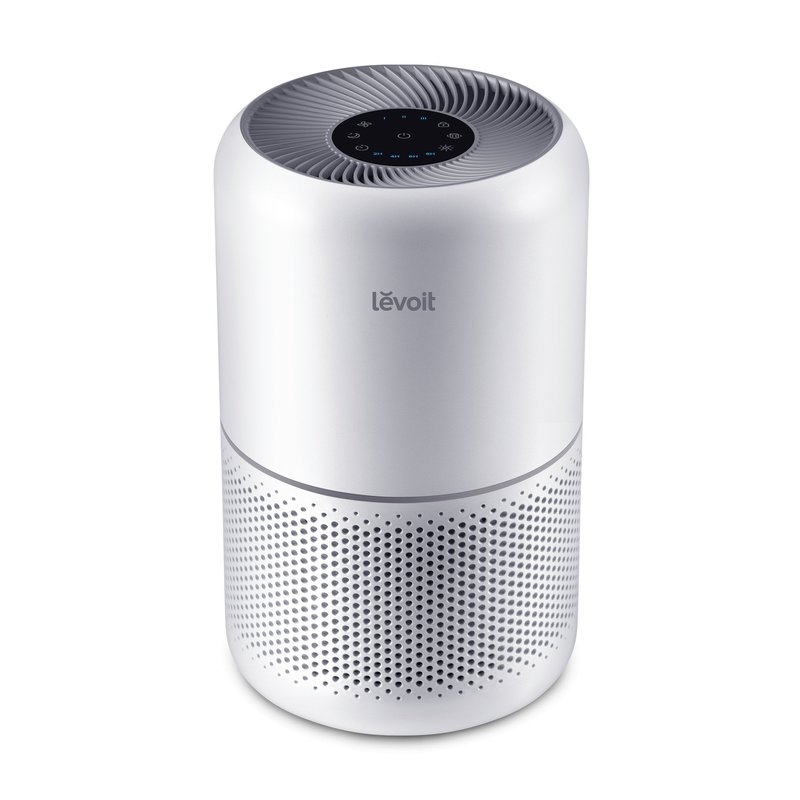
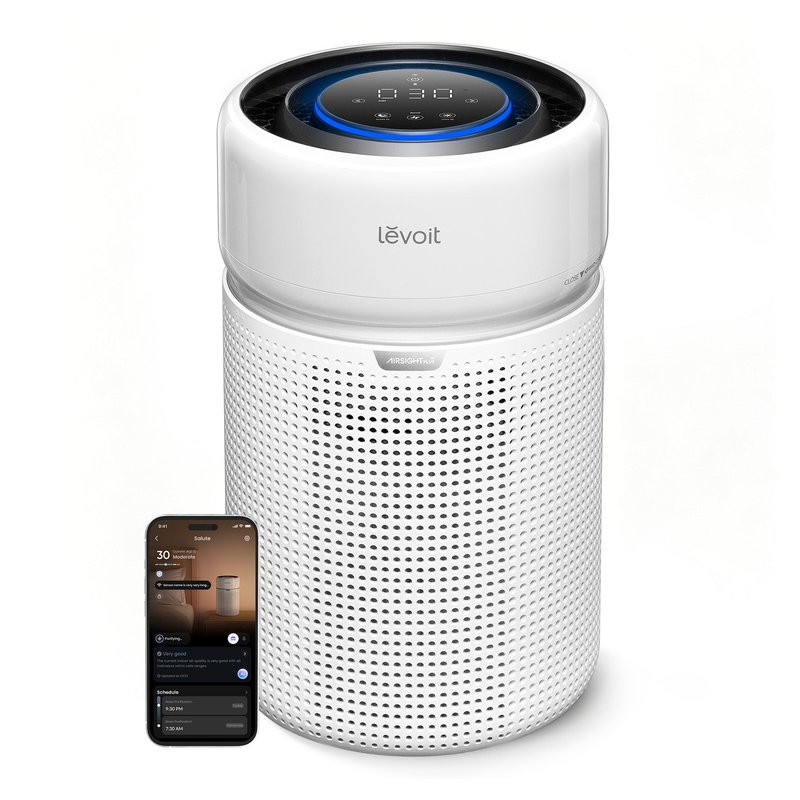
For brand-stated True HEPA at a low price, we pick the Medify MA-25. The Levoit Core 300-P has support from TechGearLab and NBC Select, though HouseFresh says it lags newer models, and a higher smoke CADR by Levoit’s figure, but Levoit’s current page does not call the filter HEPA. Which you choose depends on how much the label matters to you.
Are cheap HEPA purifiers any good?
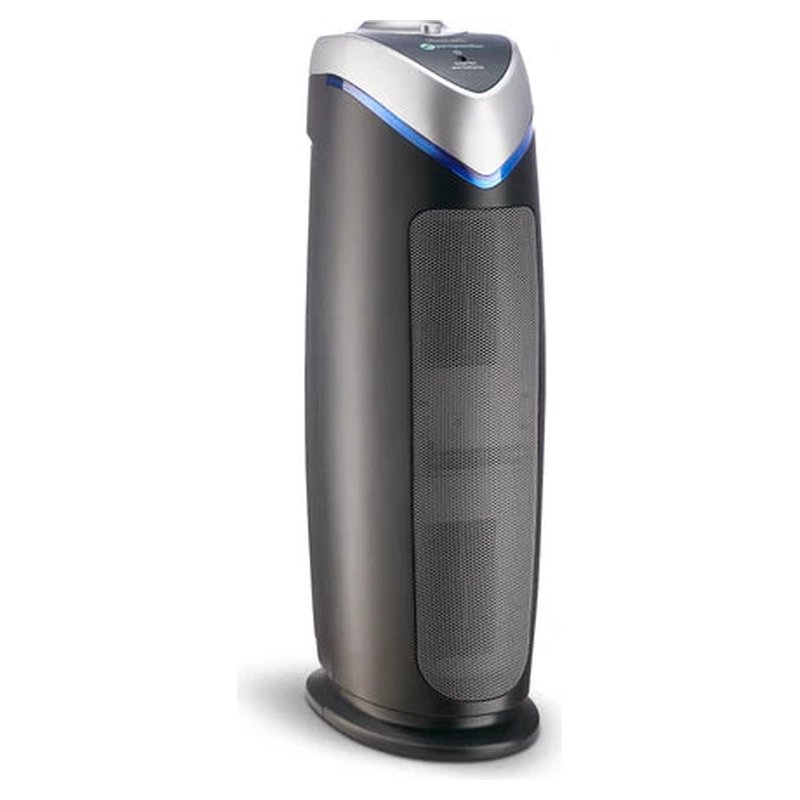
Some are. TechGearLab says the Core 300-P performed almost as well as units costing two to three times more. Others lag: GearLab ranks the GermGuardian AC4825E low for cleaning, and HouseFresh gave it one star. Look for a CADR that suits your room and check an independent test.
What does a filter cost per year?
It varies a lot. Medify rates the MA-25 filter set at 3 to 4 months, so you would buy three or four sets a year. Honeywell, by contrast, replaces its True HEPA filter once a year. Multiply the current filter price by the changes per year before you buy.
Is “HEPA-type” worth saving money on?
It can be, if independent tests are good. Consumer Reports says HEPA-type or HEPA-like filters have not been certified to meet true HEPA requirements, but may still perform adequately in its tests. CADR tells you more about cleaning speed than a filter label does.
Can I build a cheap purifier myself?
Yes, for smoke emergencies. EPA calls box-fan and MERV 13 filter cleaners a cost-effective way to reduce smoke, based on lab testing. A peer-reviewed study of a five-filter Corsi-Rosenthal box measured a CADR of up to about 850, at 58 to 67 dB. EPA says dirty filters make them almost completely ineffective.
Should I buy a budget unit for a big room?
No, not as your only unit. EPA’s chart wants a smoke CADR of 260 for 400 sq ft, and the budget units here list 99 to 161. Two small units can help, because Harvard says the cleaning benefit of multiple units is additive. Otherwise, look at the large-room picks.