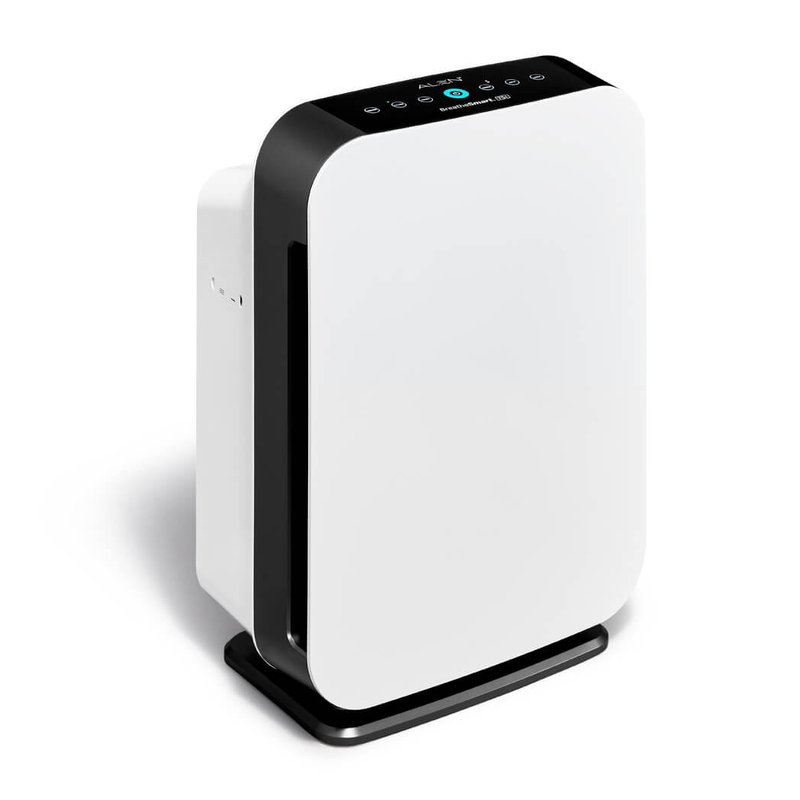
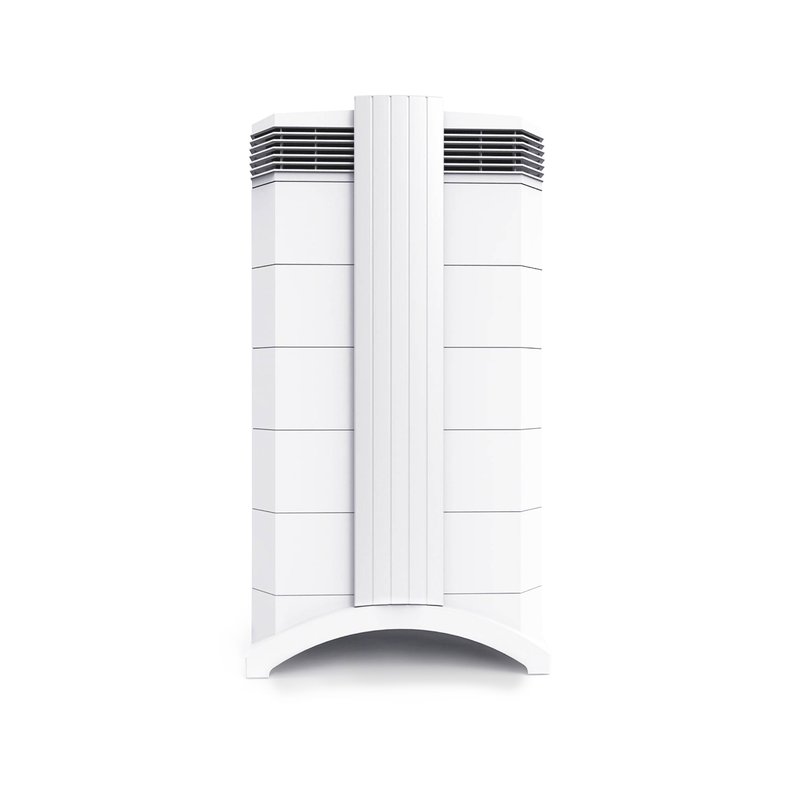
Best for smoke particles#1
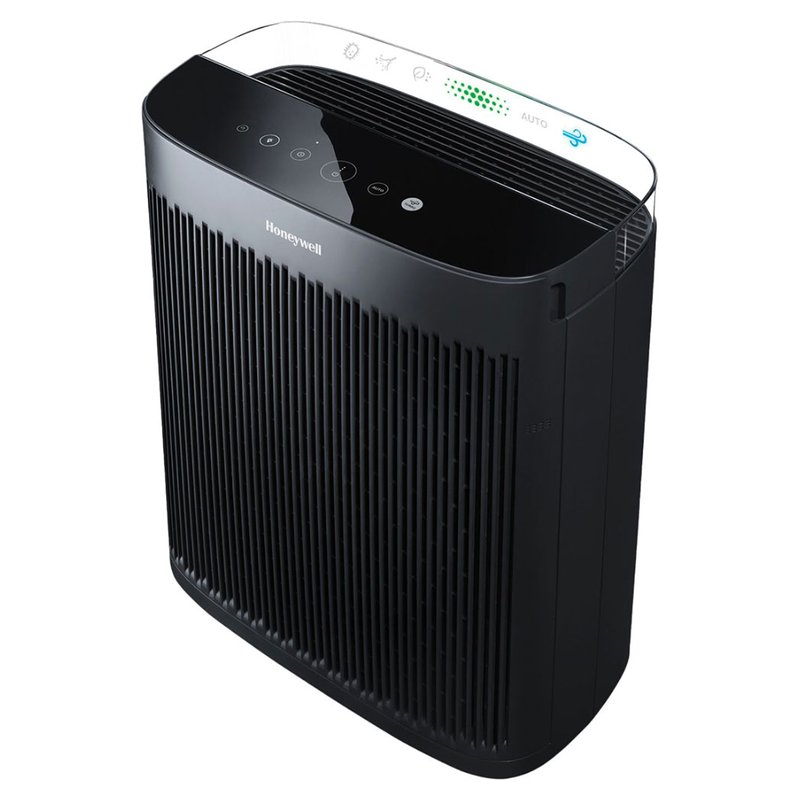
Honeywell HPA5300B
The large-room HEPA pick. Honeywell rates it for 4.8 air changes in a 500 sq ft room with an AHAM-based smoke CADR of 323, and says its filters are certified True HEPA. It has auto mode with VOC sensing and a color display, but it is heavy at 27 lb and has no app.
Why it stands out
- Honeywell says the True HEPA R filter helps capture up to 99.97% of 0.3-micron particles; the unit uses three of them, replaced every 12 months.
- Honeywell says its HEPA purifiers use filtration that does not release ozone.
- ENERGY STAR label and a five-year limited warranty.
Filter (brand’s wording)“Certified True HEPA” + odor pre-filter
Room size at 4.8 air changes500 sq ft
Smoke CADR323
Noise (brand)No dB published
Ionizer or UVNone stated
Good fit if
- Your room is up to about 500 sq ft.
- You want a brand-stated HEPA filter in a large-room unit.
- You want auto mode without an app.
Skip it if
- You want an app.
- You want published decibel figures: Honeywell only says about a whisper on low and a normal conversation on high.
- You will move it often.