Best HEPA Air Purifier · Allergies

Best HEPA Air Purifier for Allergies

For allergies, our top pick is the Alen BreatheSmart 45i, because AAFA says it earned the asthma & allergy friendly certification. A HEPA unit sized for the room can reduce airborne pollen and dander, so the Honeywell HPA5100B and the Coway Mighty2 are cheaper choices (Coway says HEPA; HouseFresh calls it HEPA-grade only in sleep mode). Be realistic: EPA says studies do not always show major improvements in symptoms.

General information, not medical advice

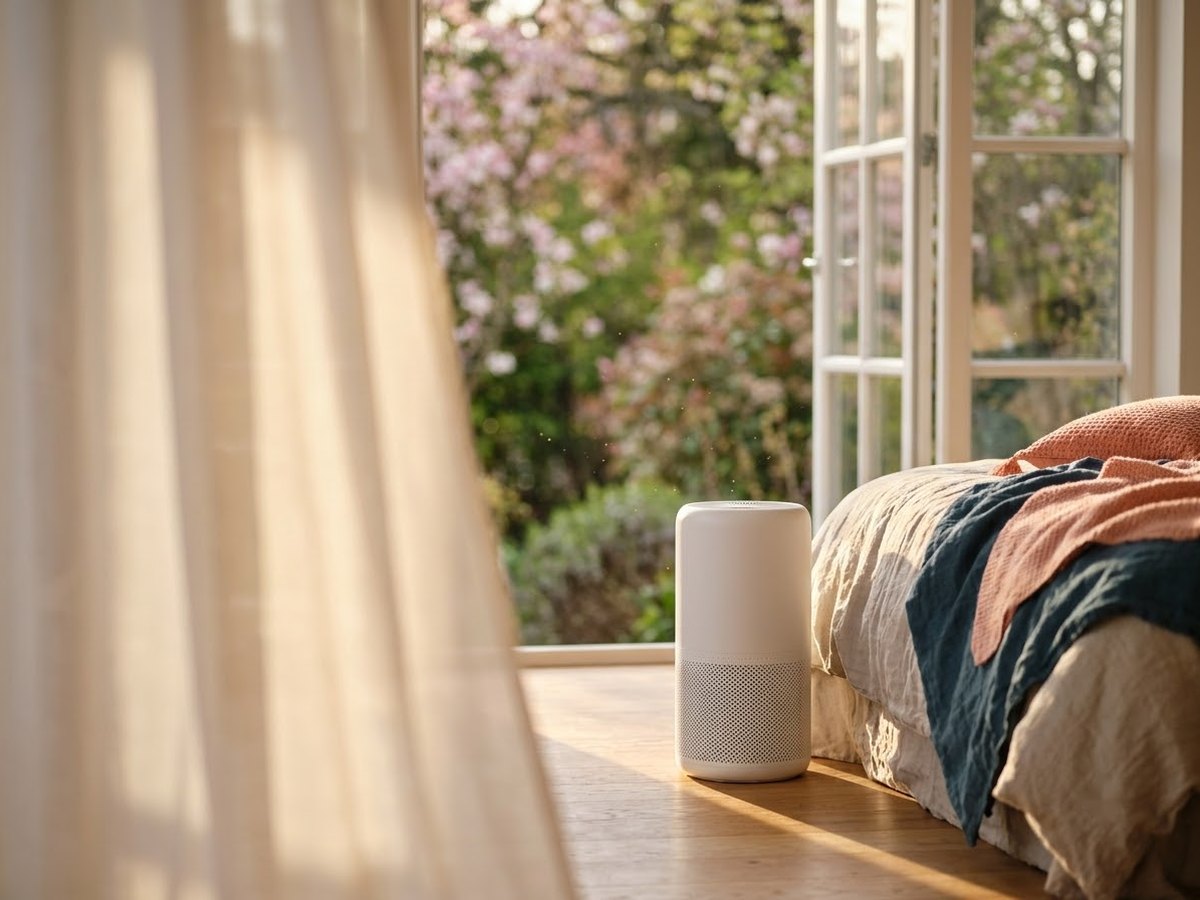
Plain air purifier near a bed in a bright room, with a blooming garden out of focus beyond the open window

Our top 3

Top picks at a glance

Best for allergies#1
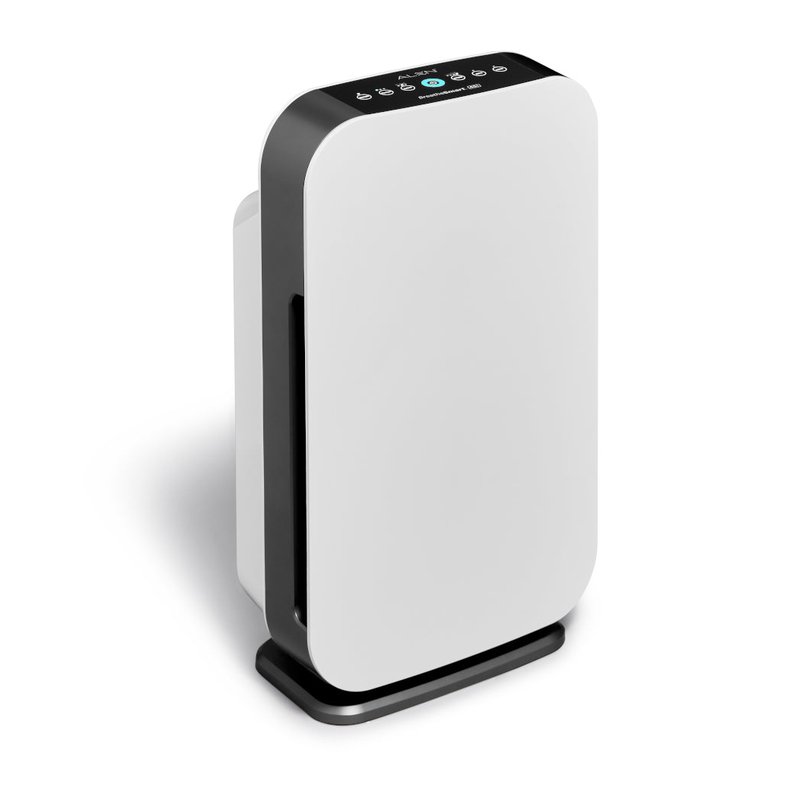
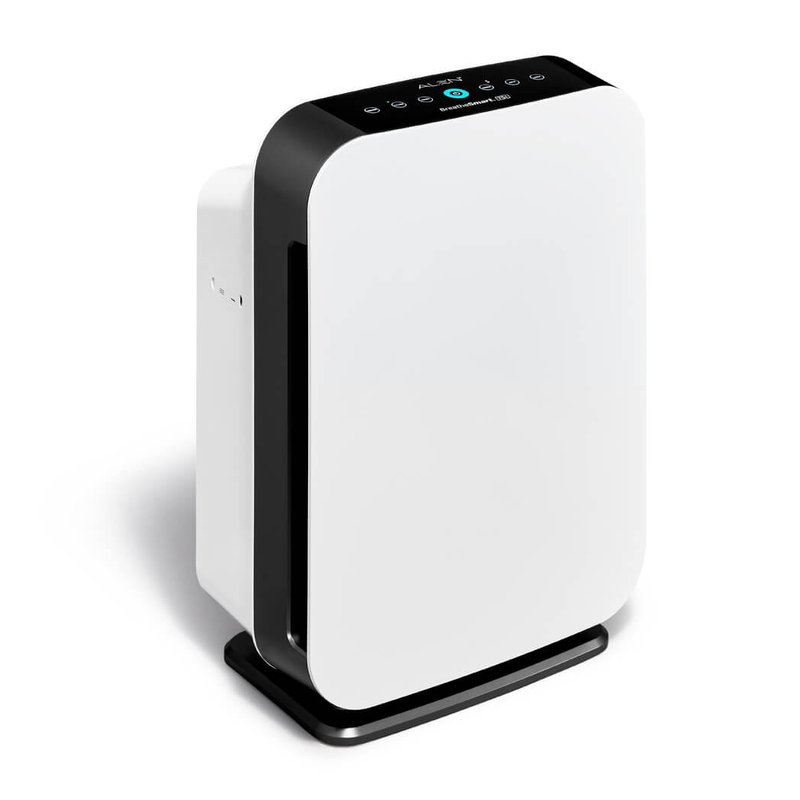
Alen BreatheSmart 45i air purifier

Alen BreatheSmart 45i

Premium price range

AAFA-certified, quiet by Alen’s figures, and aimed at rooms around 300 sq ft.

See filter details ›
Best mid-size alternative#2
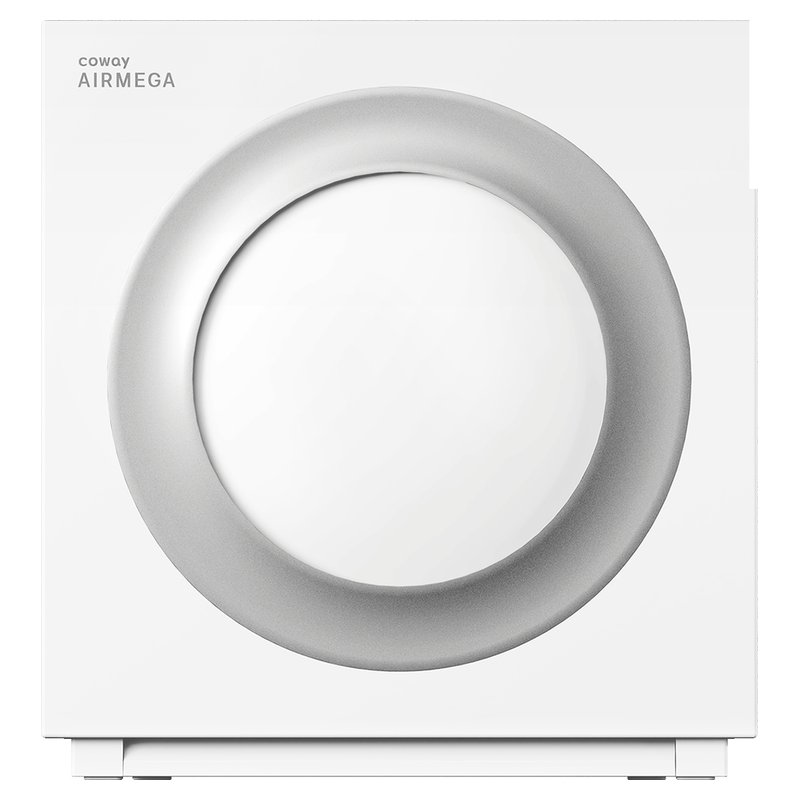
Coway Airmega Mighty2 (AP-1512N) air purifier

Coway Airmega Mighty2 (AP-1512N)

Mid-range price range

HouseFresh’s pick for most people, with no ionizer listed; ACAAI warns some air cleaners can irritate allergies.

See filter details ›
Best simple HEPA#3
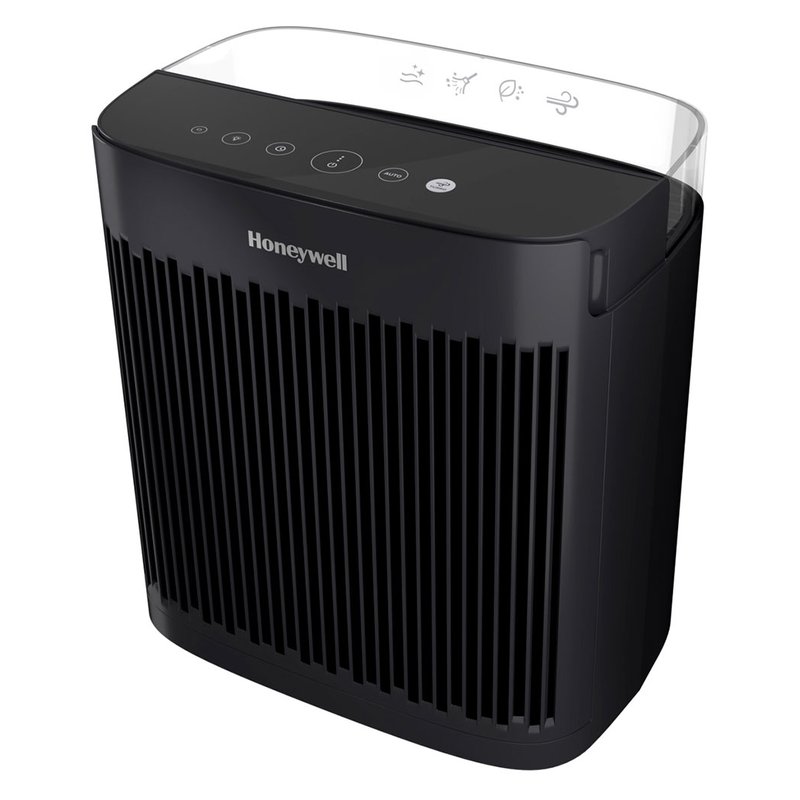
Honeywell HPA5100B air purifier

Honeywell HPA5100B

Mid-range price range

Certified True HEPA filters by Honeywell’s wording, manual controls, for rooms around 190 sq ft.

See filter details ›

In detail

Who each one suits

Specifications are each brand’s own unless we name another source. Test results belong to the publication we name. We did not lab-test these air purifiers.

Best for allergies#1

Alen BreatheSmart 45i

Our allergy pick, because of one thing we can point to: AAFA says the BreatheSmart 45i earned the asthma & allergy friendly certification. Alen calls the filter medical-grade HEPA. It is quiet too, at 24 to 50 dB by Alen’s figures, but you pay Premium money for it.

Why it stands out

  • A 2025 AAFA notice says certified purifiers must reduce airborne allergen levels by at least 90% and keep ozone below 0.05 ppm; another AAFA page says almost 98%.
  • TechGearLab lists it as a quieter medical-grade HEPA alternative.
  • Alen says its optional ionizer can be turned off, at 0 PPM when off.
Filter (brand’s wording)“Medical-grade HEPA” (Alen’s words)
Room size at 4.8 air changesNot stated (950 sq ft in 30 minutes)
Smoke CADRNot published (255 CFM, Alen’s single figure)
Noise (brand)24–50 dB
Ionizer or UVOptional ionizer, can be turned off

Good fit if

  • You want a certified model for a medium room: HouseFresh suggests around 300 sq ft.
  • You want quiet running with an app and auto mode.

Skip it if

  • Value comes first.
  • You won’t stay with Alen filters: its lifetime guarantee requires them.

The certification tests the product; we found no evidence that a certified purifier improves symptoms more than an uncertified HEPA unit.
Best mid-size alternative#2

Coway Airmega Mighty2 (AP-1512N)

For a mid-sized room, this is where we would start. Coway lists a smoke CADR of 240, a range of 19 to 50 dB and no ionizer in the filter stack. HouseFresh, which buys and measures its own units, names it best for most people; RTINGS says it cleans about as well as the Winix 5530 but typically costs more.

Why it stands out

  • Coway says the Max2 filter (activated carbon + HEPA) captures over 99.97% of 0.3-micron particles.
  • HouseFresh chose it over the Levoit Vital 200S for better cleaning at top speed and at speeds under 45 dBA.
  • CARB-certified as a mechanical air cleaner, with a laser sensor and an auto mode. Coway rates the filter for up to 12 months; HouseFresh says the carbon fills in 6 to 9 months.
Filter (brand’s wording)Max2: activated carbon + HEPA
Room size at 4.8 air changes372 sq ft (smoke CADR × 1.55)
Smoke CADR240
Noise (brand)19–50 dB
Ionizer or UVNone listed

Good fit if

  • Your room is about 370 sq ft or smaller.
  • You want quiet running and no ionizer.
  • You care about light odors: HouseFresh notes pelleted carbon, not the older Mighty’s carbon fabric.

Skip it if

  • You want an app: it has none.
  • You want a filter labeled HEPA at every speed: HouseFresh describes it as HEPA-grade only in sleep mode.
  • Price per CADR comes first: RTINGS points to units like the Levoit Core 600S at this price.

The 372 sq ft figure is our arithmetic from AHAM’s formula (smoke CADR × 1.55). Coway itself lists 450 sq ft in 15 minutes and 1,800 sq ft at one air change per hour.

Best simple HEPA#3

Honeywell HPA5100B

A simple True HEPA unit with no app and no sensor. Honeywell describes it as using certified HEPA filters, rated for 4.8 air changes in a 190 sq ft room, and it has earned the ENERGY STAR label. A five-year limited warranty is longer than most in this tier.

Why it stands out

  • Honeywell says the True HEPA R filter helps capture up to 99.97% of 0.3-micron particles.
  • The HEPA filter is replaced once a year and the pre-filter every three months, according to Honeywell.
  • Honeywell lists a smoke CADR of 114.
Filter (brand’s wording)“Certified True HEPA” + odor pre-filter
Room size at 4.8 air changes190 sq ft
Smoke CADR114
Noise (brand)No dB published
Ionizer or UVNone stated

Good fit if

  • Your room is about 190 sq ft or smaller.
  • You want HEPA wording from the brand and manual controls.

Skip it if

  • You want auto mode: the larger HPA5300B has one.
  • You want published noise numbers or an app.
Also worth a look

Alen BreatheSmart 75i

For smoke and odors in a larger space, the filter matters as much as the fan. Alen sells the 75i with a Fresh filter that HouseFresh says holds roughly 3.6 lb of carbon, and calls the main filter True HEPA H13. HouseFresh recommends it mainly for odor and VOC problems and suggests up to about 500 sq ft.

Why it stands out

  • Alen lists 375 CFM on Turbo and 25 to 51 dBA.
  • HouseFresh measured 36.5 to 57.5 dBA and 5.19 to 47.4 W.
  • Sensors for PM2.5 and TVOC, with auto mode, an app and ENERGY STAR Most Efficient status, according to Alen.
Filter (brand’s wording)“True HEPA (H13)”
Room size at 4.8 air changesNot stated (1,400 sq ft in 30 minutes)
Smoke CADRNot published (375 CFM on Turbo)
Noise (brand)25–51 dBA
Ionizer or UVIonizer, can be turned off

Good fit if

  • Odors, smoke or chemical smells are your main problem.
  • You want a large unit that is quiet at low speeds.

Skip it if

  • You only need particle filtration: HouseFresh says it may be overkill.
  • You are on a budget, or want a compact unit.

The carbon comes with the Fresh or Odor filter options, not the Essential filter. Check which filter comes with the listing you buy.

Choose the room where you sleep first

Mayo Clinic’s bedroom advice includes choosing an air filter with a small-particle or HEPA filter. Close the door, size it to the room and run it continuously.

What owners say ›

Tips

Three things that make the difference

01

Remove the source first

AAFA says the best way to improve your air is to get rid of the sources of allergens. It also says encasing mattresses works better than air cleaners, though a Cochrane review says covers alone are unlikely to be effective for dust-mite rhinitis.

02

Skip the extras

ACAAI says there is no scientific data that purifiers with, for example, ionizers using UV light work for allergies. Choose a mechanical HEPA filter and turn off any ionizer.

03

Remember the floor

AAAAI says air purifiers are not efficient at removing settled allergens on furniture, walls or floors. Vacuuming and washing bedding still matter.

Honest note

The evidence is mixed. In one double-blind trial of adults with dust-mite rhinitis, HEPA purifiers improved medication scores, but symptom and quality-of-life scores did not differ from placebo. A pollen trial did find significant symptom differences. A purifier may help some people; it does not replace medical care.

FAQ

Questions people ask

Do HEPA air purifiers help with allergies?

They can reduce airborne allergens, and ACAAI says that may provide some relief. EPA says multiple studies found improvements in one or more symptoms, but not always major ones and not in all symptoms. Results depend on the allergen and the setting, so treat a purifier as one step, not a fix.

What does asthma & allergy friendly certification mean?

It is a program run jointly by Allergy Standards Ltd and AAFA. A 2025 AAFA notice says certified purifiers must reduce airborne allergen levels by at least 90%, keep at least 50% of removed allergens in the filter, and keep ozone below 0.05 ppm; another AAFA page says almost 98%. We found no evidence that certified units improve symptoms more than uncertified HEPA units.

Are HEPA purifiers good for pollen?

Pollen is a large particle, and EPA says HEPA filters capture larger particles with higher efficiency than the 0.3-micron test size. A review of non-drug pollen measures found filtration lowered symptoms in several studies, but says the reduction was relatively small. Keeping windows closed in pollen season gives the filter a better chance.

Do air purifiers remove dust mites?

Not in any useful way on their own. Mite allergen mostly settles: one 44-home study did not detect it in the air during normal activity, only during disturbance. Mayo Clinic’s steps are allergen-proof covers, a weekly hot wash of bedding at 130°F or above, and humidity below 50%.

What size purifier do I need for allergies?

ACAAI says to look for a HEPA air cleaner with a CADR that matches the room. No agency or medical society sets a specific air-change figure for allergies. AHAM’s suggested sizes work out to 4.8 air changes per hour, and that is the figure we use on this site.

Should I run an air purifier all night for allergies?

Yes, if the noise is tolerable. Consumer Reports says purifiers should run at all hours to be effective, and ACAAI says running a HEPA cleaner continuously in a bedroom or living room can reduce pet allergen levels over time. Use a lower speed while you sleep.

Start with the room where you spend the most hours

Want the full picture? See our best HEPA air purifier, compared by room size and filter, and the FAQ on sizing, ozone and running costs.