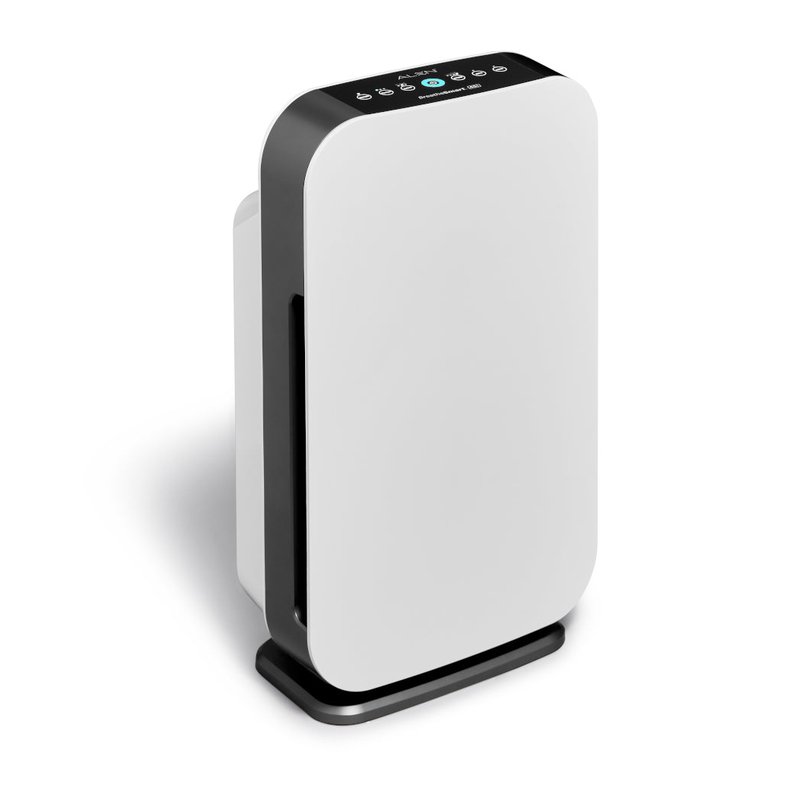
HEPA air purifiers can reduce airborne allergens such as pollen and pet dander in a room, but research on allergy symptoms is mixed, so they may help some people and not others. ACAAI says filtration reduces airborne allergens and “may provide some relief.” EPA says studies of portable HEPA units found improvement in one or more symptoms, though not always major.
The allergen matters. A 2020 pollen trial found significant symptom differences between active and inactive purifiers, while a 2020 dust-mite trial found lower medication scores but no symptom difference from placebo. AAAAI adds that purifiers are not efficient at removing settled allergens. Think of one as a single step after dealing with the source, and see a doctor if symptoms persist.
Why the type of allergen changes the answer
A purifier can only filter what is floating past it. EPA’s technical summary says larger particles “settle out of the air and onto surfaces rather rapidly,” and allergens differ widely in how long they stay up.
| Allergen | How it behaves in the air | What was found |
|---|---|---|
| Pollen | EPA says the pollen CADR stands for large particles | A trial of 90 patients using night-time filtration in pollen season found significant symptom differences; one review calls reductions “relatively small” |
| Dust mites | A 44-home study did not detect airborne mite allergen in normal activity, only during disturbance | A 2020 trial found lower medication scores, with symptoms and quality of life no different from placebo |
| Cat and dog | The same 44-home study says airborne cat or dog allergen could be up to 100 times higher than mite allergen | Airborne allergen falls in trials; effects on symptoms are the disputed part |
Mites show the problem clearly. One study found that, after vigorous disturbance, 79.4% of airborne Der p 2 mite allergen was on large particles over 4.7 microns. Another review says vacuuming or bed making raises airborne mite allergen levels well above those in undisturbed air.
If a pet is your main trigger, see our page on HEPA air purifiers for pets, which looks at pre-filters and hair.
What the allergy trials actually measured
These two trials reached different results, and they did not study the same allergen or setting. Both are worth reading.
- Dust-mite rhinitis, Yonsei Medical Journal, 2020. A multicenter, double-blind, placebo-controlled trial in adults used two purifiers for 6 weeks. Bedroom PM2.5 fell by up to 51.8%, and medication scores improved. Symptom, VAS and quality-of-life scores did not differ from placebo.
- Pollen rhinitis, Clinical Otolaryngology, 2020. A randomized, double-blind trial of 90 patients with Artemisia pollen allergy used filtration at night in pollen season. Allergy symptom scores showed significant differences between active and inactive units.
Wider reviews are cautious. A critical review of non-drug pollen measures says air filtration lowered symptoms in several studies, but “the symptom reduction shown was relatively small.” A 2013 review in Indoor Air says improvements from particle filtration were “typically modest, for example, 7% to 25%,” with stronger evidence for allergy and asthma than earlier reviews found.
For dust mites, a 2010 Cochrane review (9 trials, 501 people, only 2 on HEPA filters) found trials mostly small and of poor quality, making definitive recommendations difficult. A 2025 meta-analysis of 17 trials found avoidance methods in general lowered dust and allergen levels, but that these drops were “not sufficient” to improve allergic rhinitis, asthma or quality of life. It did not look at purifiers alone.
What allergy groups say to do first
AAFA ranks a purifier behind removing the source. It says air cleaning devices “might help,” but that getting rid of allergens and irritants at home is the better route. These steps come from those groups:
- Cover the mattress, with a caveat. AAFA says “Encasing mattresses works better than air cleaners to reduce allergy symptoms.” A 2010 Cochrane review disagrees in part, saying bedding covers alone are unlikely to be effective for dust-mite rhinitis.
- Wash bedding hot. Mayo Clinic says to wash bedding weekly at 130°F or above.
- Control humidity. Mayo Clinic says to keep relative humidity below 50% for dust mites.
- Keep pets out of the bedroom. Mayo Clinic and AAFA both advise this, separately.
- Clean surfaces. AAAAI says purifiers are “not efficient” at removing settled allergens from furniture, walls or floors, so vacuuming still matters.
Mayo Clinic is also frank that it is “not possible to get rid of all dust mites” from a home. The aim is less exposure, not a sterile room.
See a doctor or allergist if symptoms persist or get worse. Don’t change or stop allergy medicine because you bought a purifier. If you also have asthma, keep following your asthma action plan.
How to choose one for allergies
ACAAI’s advice for one room is a HEPA air cleaner with a CADR that matches the room size. Our guide to what size air purifier you need walks through that math. Our page on HEPA air purifiers for allergies compares specific models.
Skip the extras. ACAAI warns that “some air cleaners can actually irritate your allergies,” and says there is no scientific data that purifiers with, for example, ionizers using UV light work for allergies. EPA says ozone does not remove particles such as dust and pollen.
A certification can narrow the field, as long as you read it correctly. The asthma & allergy friendly program is run by Allergy Standards Ltd and AAFA, and AAFA’s own figures differ: a 2025 notice says certified purifiers must reduce airborne allergens by at least 90%, while its allergen page says certified filters “can filter almost 98%” of allergen particles. Those are product tests. CADR, filter wording and noise are still yours to check.
No ionizer listed · Mid-range price range
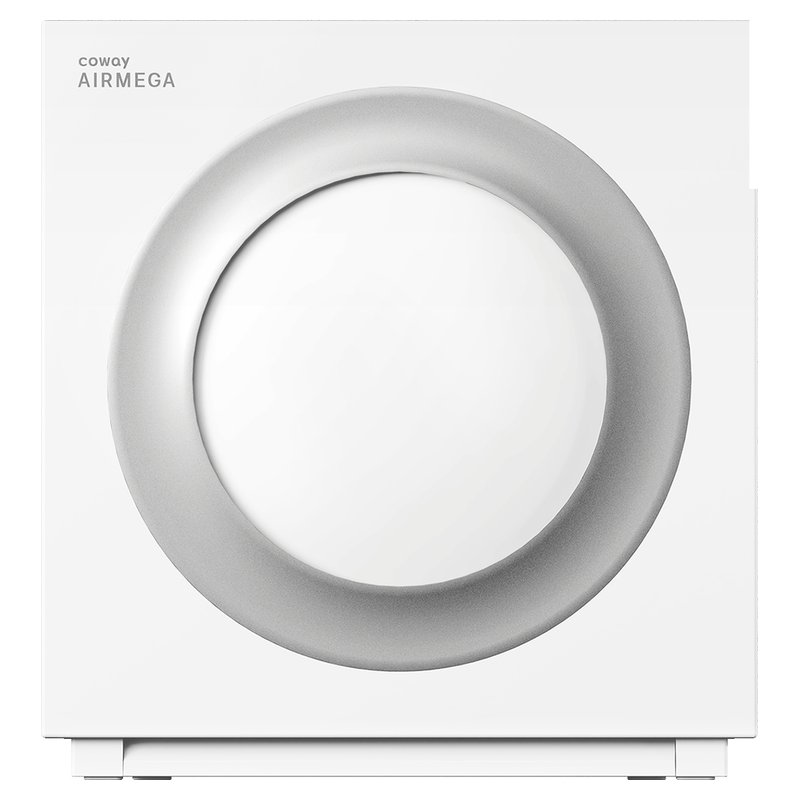
Coway Airmega Mighty2 (AP-1512N)
Coway lists a pollen CADR of 249, a smoke CADR of 240 and a range of 19 to 50 dB. HouseFresh, which names it best for most people, calls the filter HEPA-grade only in sleep mode.
See details ›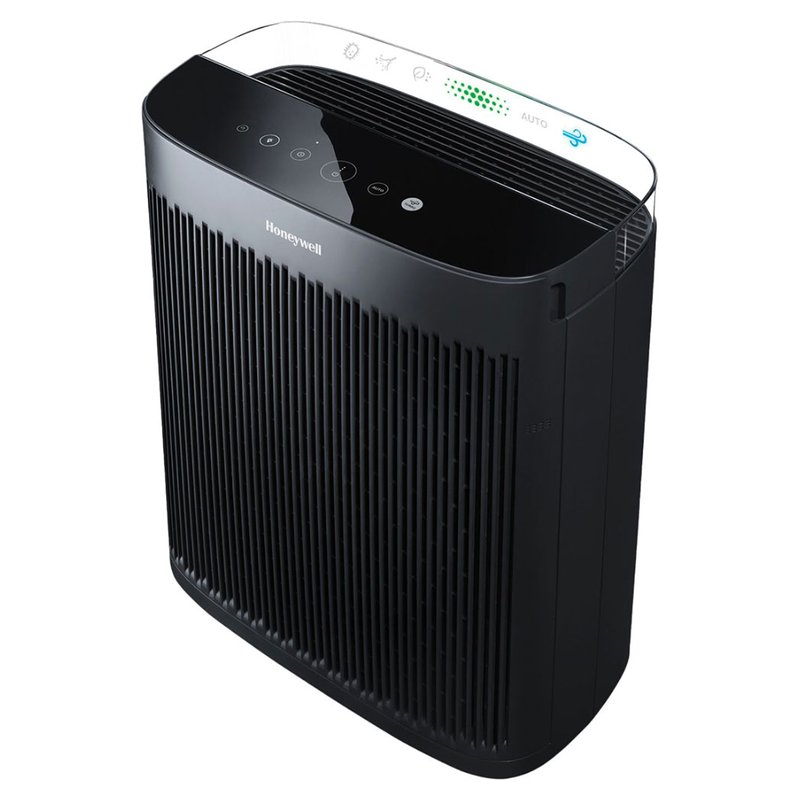
For a large living room · Premium price range
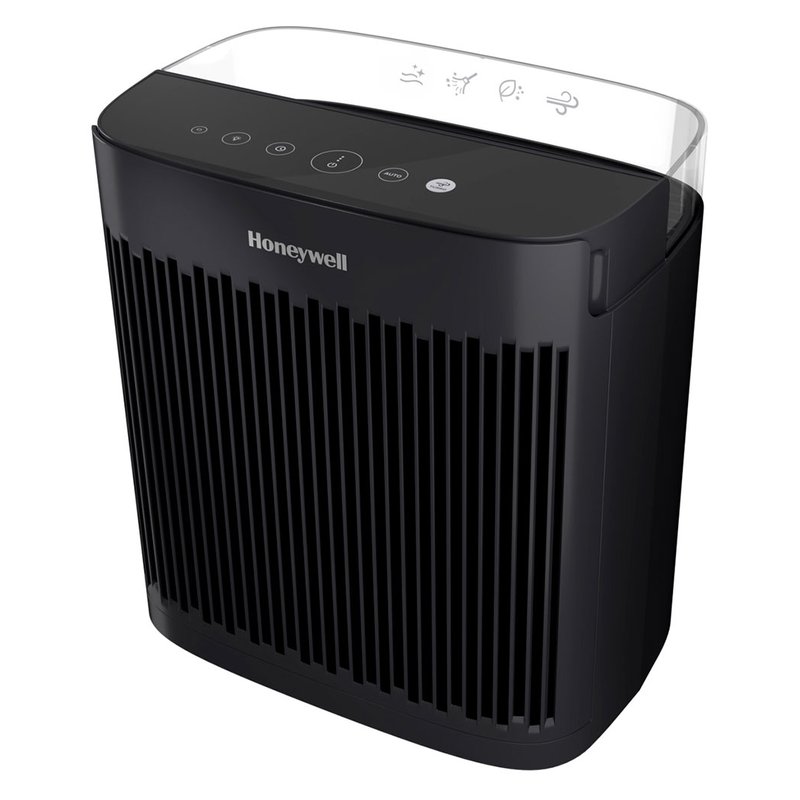
Honeywell HPA5300B
Honeywell lists a pollen CADR of 335 and rates it for 4.8 air changes in 500 sq ft. It says the True HEPA R filter helps capture up to 99.97% of allergens at 0.3 microns and larger.
See full specs ›Where to put it and how to run it
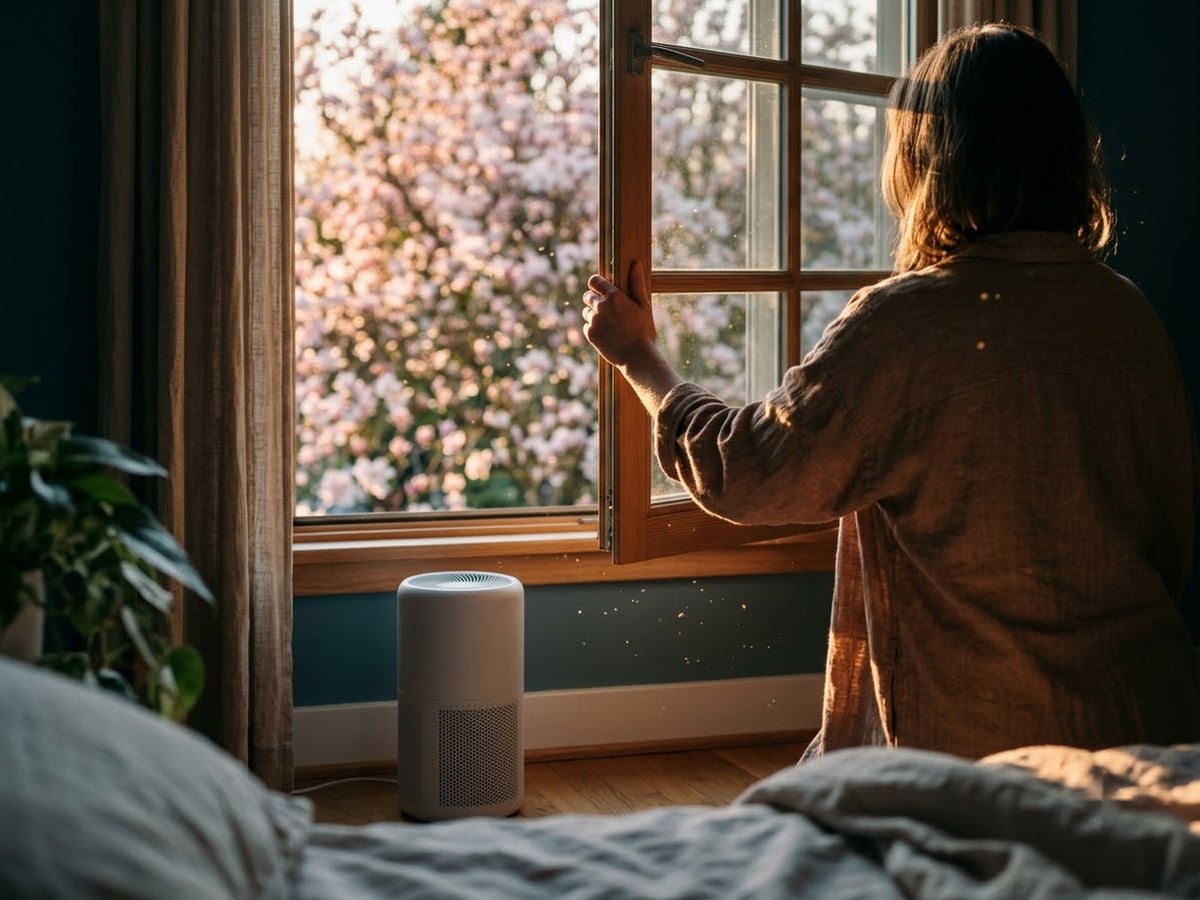
Mayo Clinic’s bedroom advice includes an air filter with a small-particle or HEPA filter, and EPA says to place a unit in the rooms where you spend the most time. For most people that is the bedroom.
- A 2011 review says HEPA room cleaners’ effectiveness is limited to one room, not the entire dwelling, so don’t expect the hallway to benefit.
- EPA says a unit is much more effective for a room when exterior doors and windows are closed.
- Consumer Reports says to run a purifier at all hours, on high when you’re out and on low when you’re nearby.
- Consumer Reports says washable pre-filters collect large particles before the main filter, which may extend its life.
For background on what these machines do and don’t measure up to, see whether HEPA air purifiers work.
Honest note
If your allergy is mainly to dust mites, a purifier is a weak lever. The best-matched trial found no symptom difference from placebo, and a 44-home study did not detect airborne mite allergen during normal activity. You may notice little or nothing. We have not tested or used these air purifiers ourselves; specs are the brand’s own.
Questions people ask
Do HEPA air purifiers help with pollen allergies?
They may, though the effect looks small. A 2020 trial of 90 patients found significant symptom differences with night-time filtration, and a review of pollen measures calls the reductions relatively small. ACAAI says filtration reduces airborne allergens. Results will vary from person to person.
Do air purifiers help with dust mite allergies?
The evidence is weak. A 2020 double-blind trial in adults found lower medication scores but no symptom difference from placebo. A 44-home study did not detect airborne mite allergen in normal activity. Mayo Clinic’s steps focus on covers, hot washing and humidity.
Can a purifier replace my allergy medicine?
No. Nothing here suggests that it can, and you should not change any medication because of a purifier. The dust-mite trial’s lower medication scores were a study result, not advice. Talk to your doctor or allergist about symptoms and treatment.
What does asthma & allergy friendly certification mean?
It is a program run by Allergy Standards Ltd and AAFA. A 2025 AAFA notice says certified purifiers must reduce airborne allergens by at least 90%, keep at least 50% of removed allergens in the filter, and keep ozone below 0.05 ppm. It tests the product.
Should I buy a purifier with an ionizer for allergies?
ACAAI says there is no scientific data that purifiers with, for example, ionizers using UV light work for allergies, and warns that some air cleaners can irritate them. EPA says ion generators may be relatively ineffective against large particles such as pollen.
Read first: best HEPA air purifier · hepa air purifiers for allergies
Sources: AAFA: Control indoor allergens · ACAAI: Air filters · EPA: Guide to air cleaners in the home · Dust-mite rhinitis trial, Yonsei Medical Journal, 2020 · Pollen rhinitis trial, Clinical Otolaryngology, 2020 · Mayo Clinic: Dust mite allergy
This article is general information, not medical advice. An air purifier does not treat allergies, asthma or any other condition; talk to your doctor about symptoms, and follow the maker’s instructions for use and filter changes. Specifications are each brand’s own.